
Gerontocracy and Future Viability
Gerontocracy (from the Greek “rule of the council of elders”) and the question of future viability are central themes that are becoming increasingly important in an ageing society. In Luxembourg too, it is clear that demographic developments have a significant impact on political decision-making processes and social dynamics. While older generations carry great political weight due to their numbers and high voter turnout, the participation rights of young people remain limited.
A central element of Luxembourg’s political system is social dialogue, particularly in the form of the Tripartite, in which the government, employers and workers’ representatives jointly discuss economic and social policy measures. This model has proven effective in the past, however it is notable that young people are barely represented in these decision-making processes.
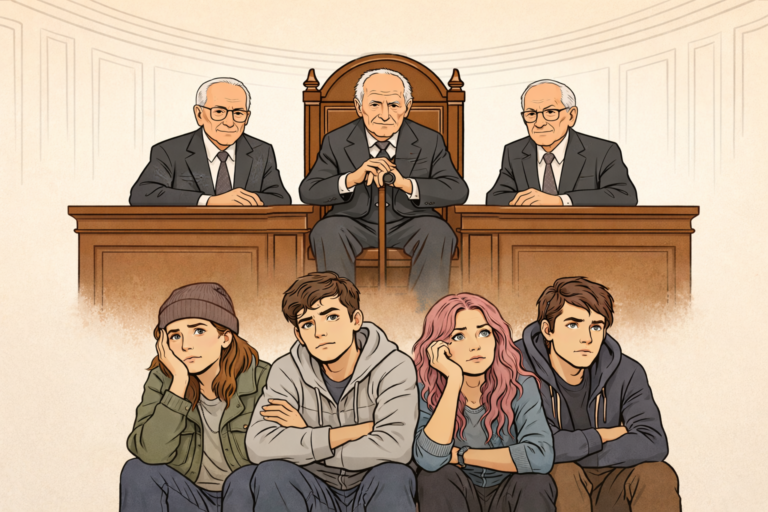
Their perspectives, which often focus more on long-term challenges, receive only limited attention in institutionalised social dialogue. This can lead to political decisions being more aligned with the interests of older generations while necessary structural reforms are delayed. Innovation and profound change are often accompanied by uncertainties that younger generations are more willing to accept.
Older population groups understandably tend to preserve existing systems from which they themselves benefit, whether in the areas of pensions, social benefits or labour market structures. When political decisions are driven primarily by an older majority, there is a risk that reforms necessary for Luxembourg’s long-term competitiveness are delayed or weakened.
In conclusion, the ageing of Luxembourg’s society presents both opportunities and risks. While experience and stability are important values, this must not come at the expense of the country’s future viability. Greater participation of young people in political decision-making processes and further development of social dialogue are crucial steps to guarantee long-term capacity for reform, innovation and intergenerational justice.